Image to ASCII Art Examples
74 source images, each with a ready-to-copy standard ASCII preview.
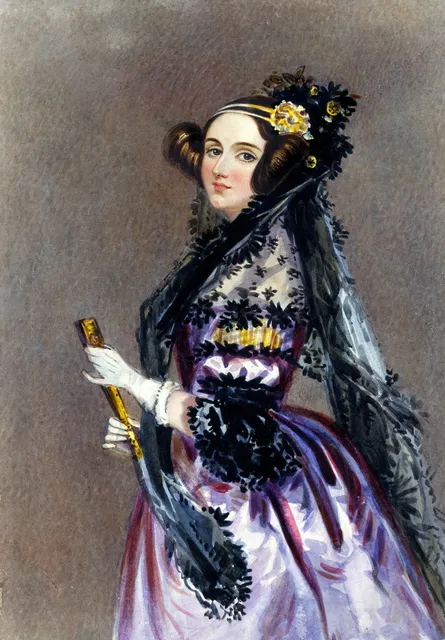
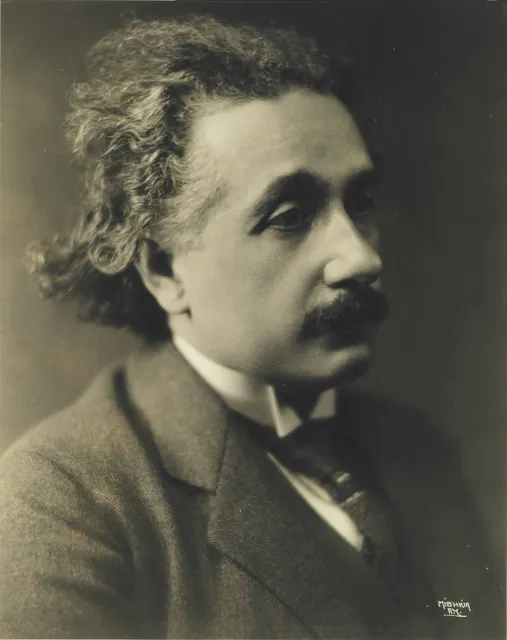
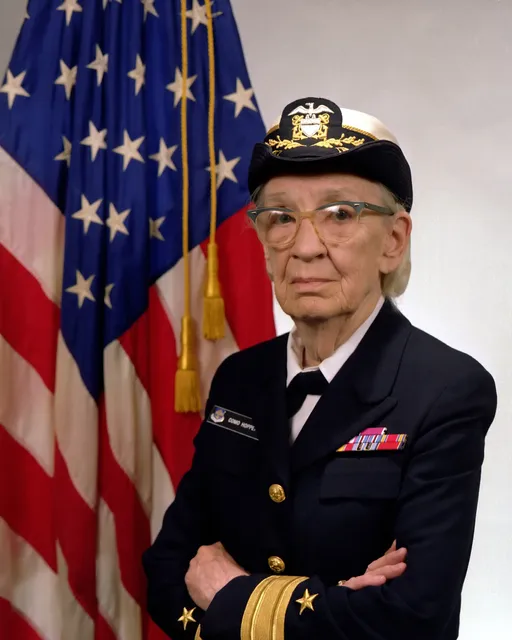
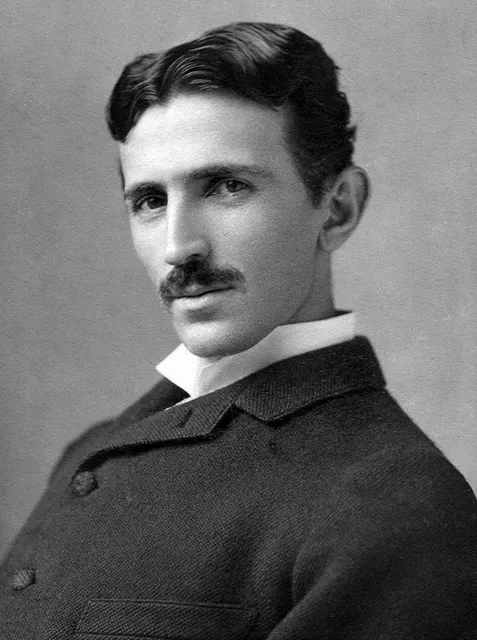
Compare four historical portraits of science and computing pioneers: Albert Einstein in 1921, Nikola Tesla around 1890, Ada Lovelace in a watercolor from about 1840, and Grace Hopper in her 1984 Navy portrait. Each page shows the exact source file, its reuse evidence and a working editor recipe.
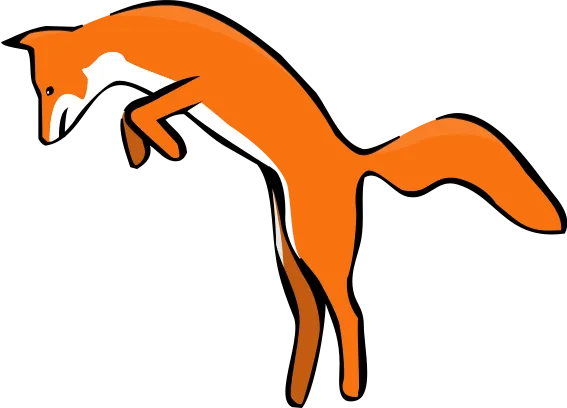
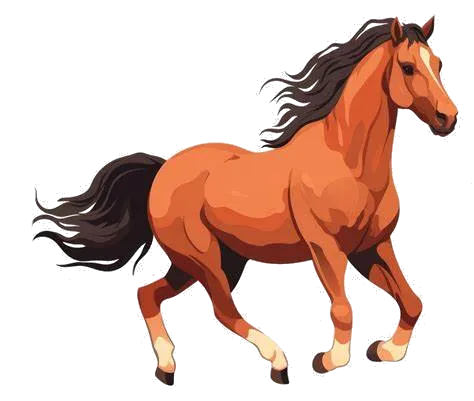
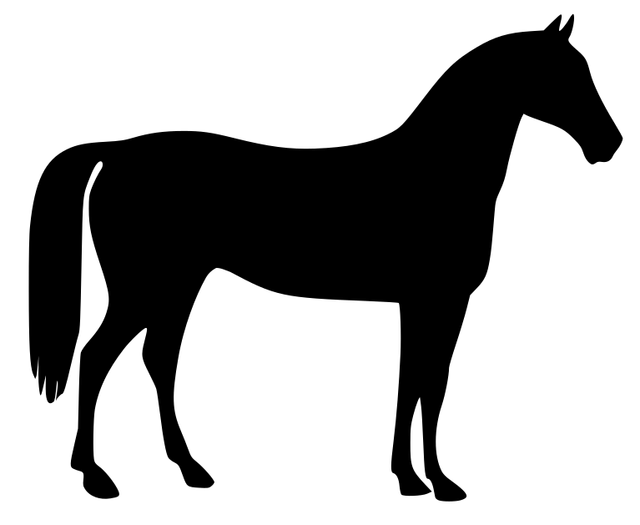
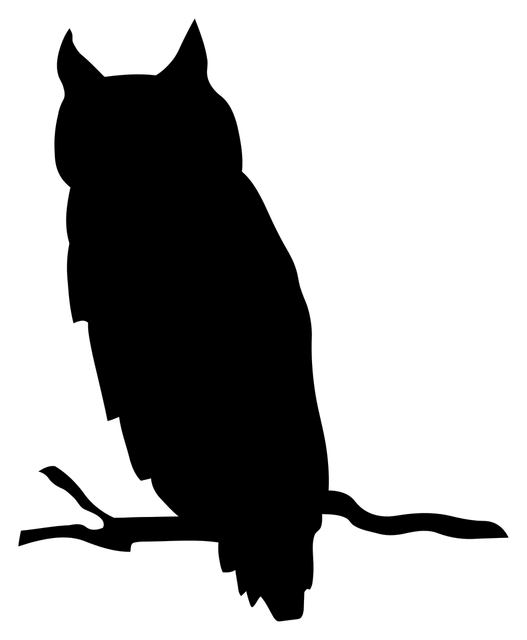
Try six animal clipart conversions: a cartoon rabbit, a leaping red fox, and an owl silhouette, plus horse, cow and sheep. Each page includes the exact CC0 source, a ready-to-copy preview, and tested 40- and 80-column editor recipes.
Compare marine clipart: the curved back of a dolphin silhouette, the curling arms of an octopus stencil, and the raised claws of a geometric crab. Start with 40 columns, then compare 80 before copying. Each page documents the exact CC0 source and the details lost in conversion.
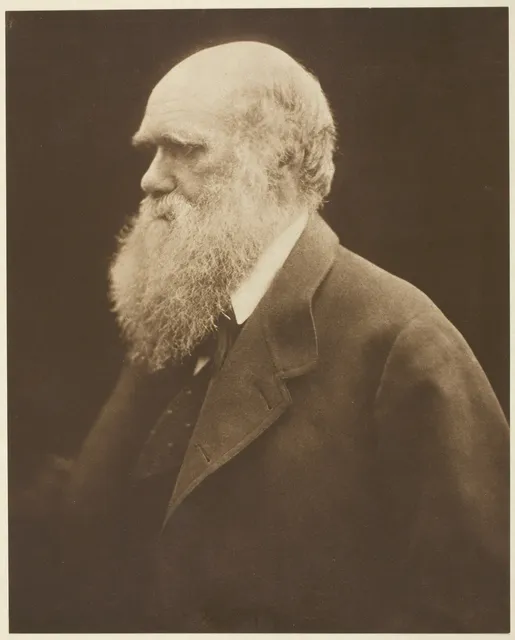
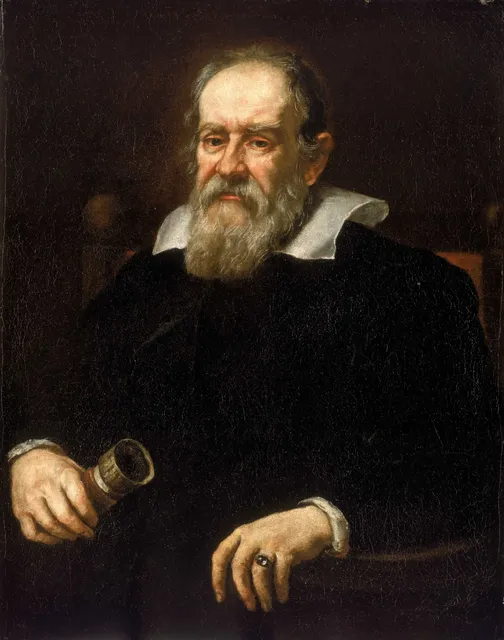
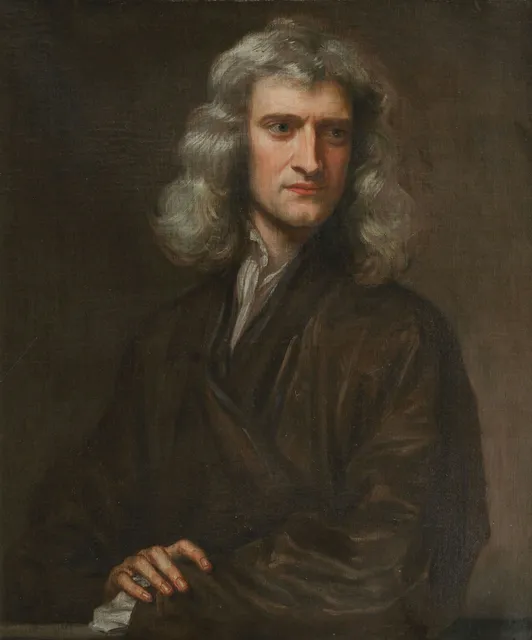
Go further back with three scientists whose faces are known from a single famous image: Galileo Galilei in Justus Sustermans' painting, Isaac Newton in the 1689 portrait after Godfrey Kneller, and Charles Darwin in Julia Margaret Cameron's 1868 photograph. Compare how a painted beard and a photographed one turn into characters.
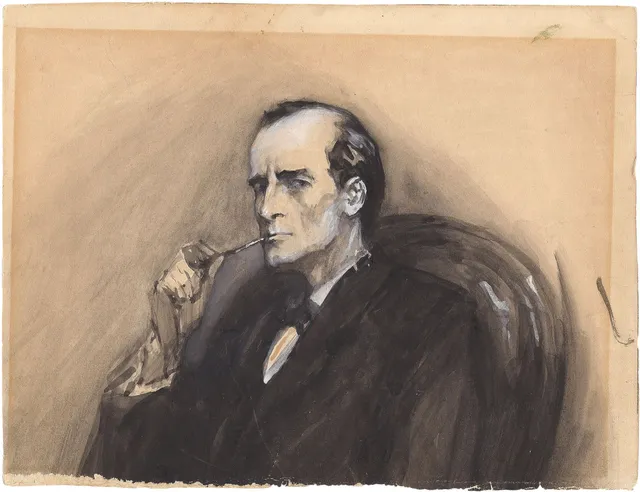
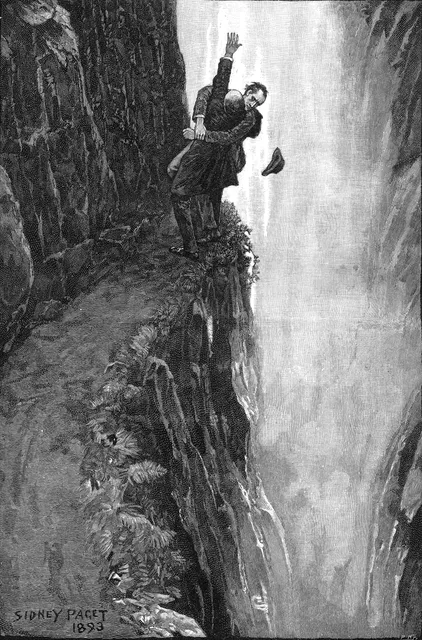
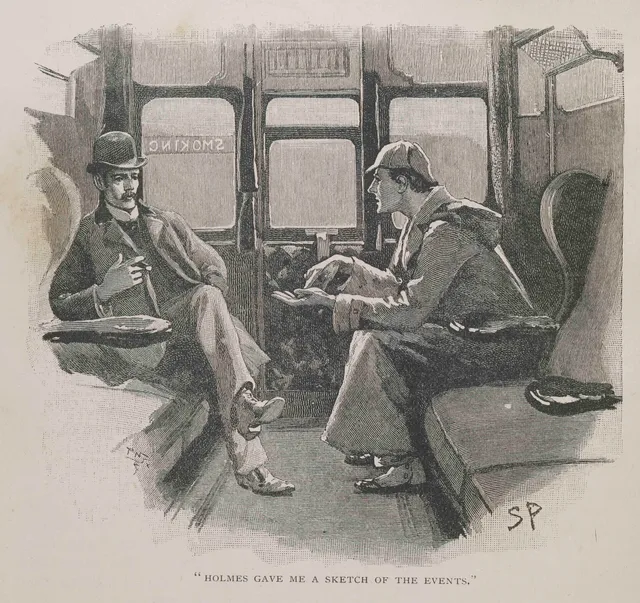
Sherlock Holmes as Sidney Paget drew him for The Strand Magazine: a 1904 ink-and-wash portrait with his pipe, the deerstalker and Watson on the train in "Silver Blaze", and the struggle with Moriarty at Reichenbach Falls. Paget's illustrations are in the public domain; no Conan Doyle Estate affiliation is implied.
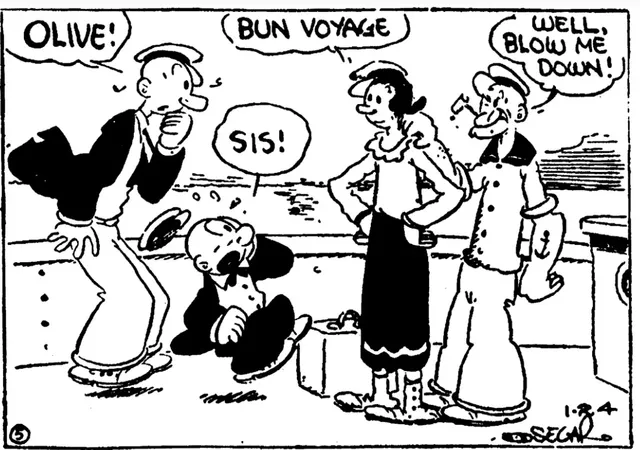
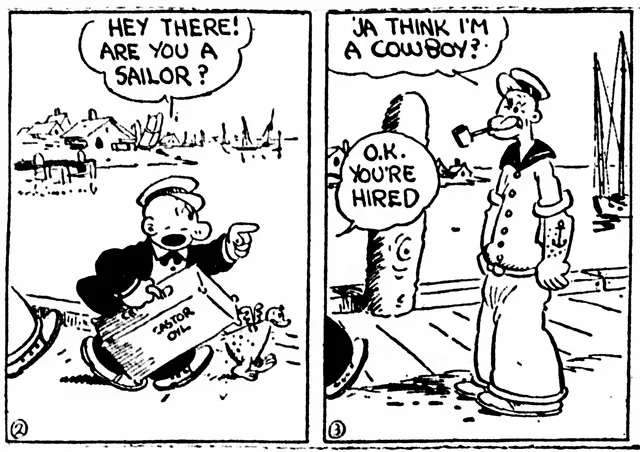
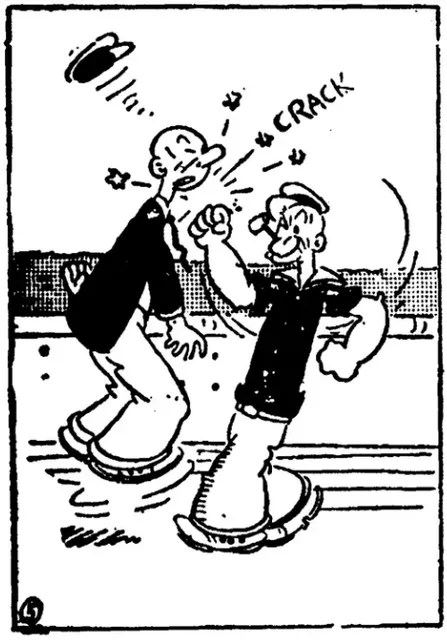
Popeye as E. C. Segar first drew him in the 1929 Thimble Theatre newspaper strip: his first appearance on January 17, "Well, blow me down!" with Olive Oyl a week later, and a punch that sends Ham Gravy's hat flying. These 1929 strips are in the U.S. public domain; Popeye remains a King Features trademark and no affiliation is implied.
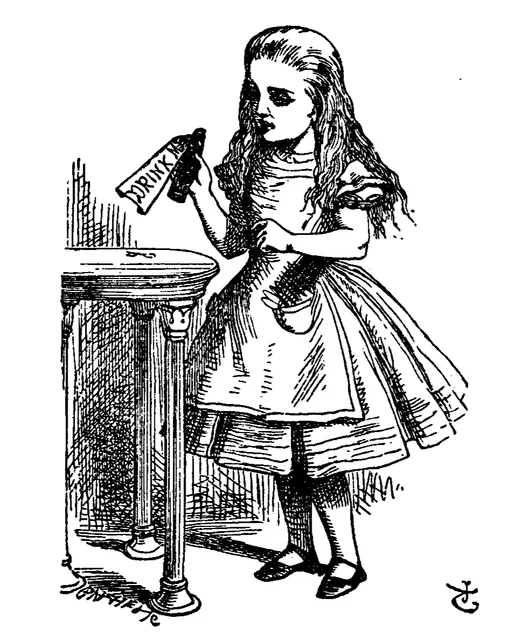
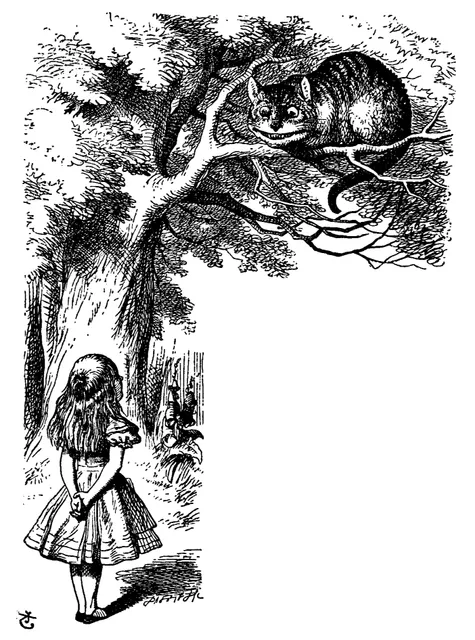
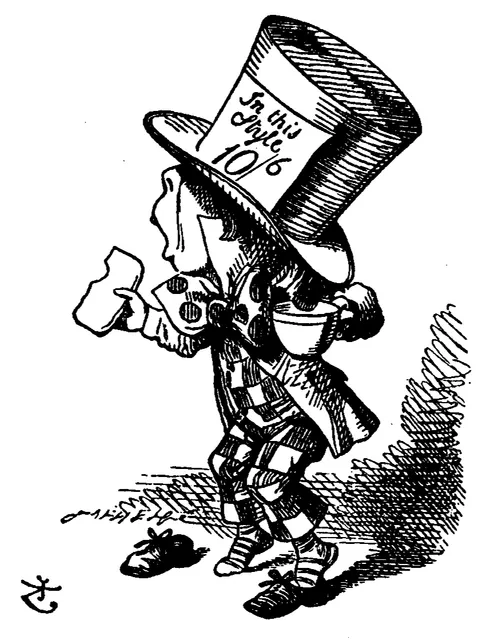
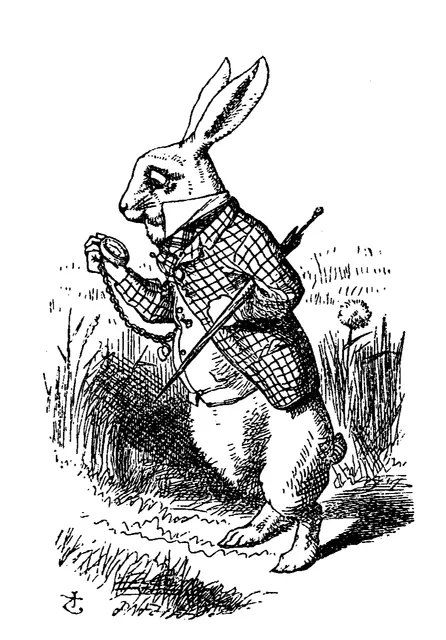
Alice in Wonderland as John Tenniel engraved it for Lewis Carroll's 1865 book: Alice with the little bottle, the White Rabbit checking his watch, the Cheshire Cat in its tree and the Mad Hatter with his teacup. Tenniel's illustrations are in the public domain; no Disney or other adaptation affiliation is implied.
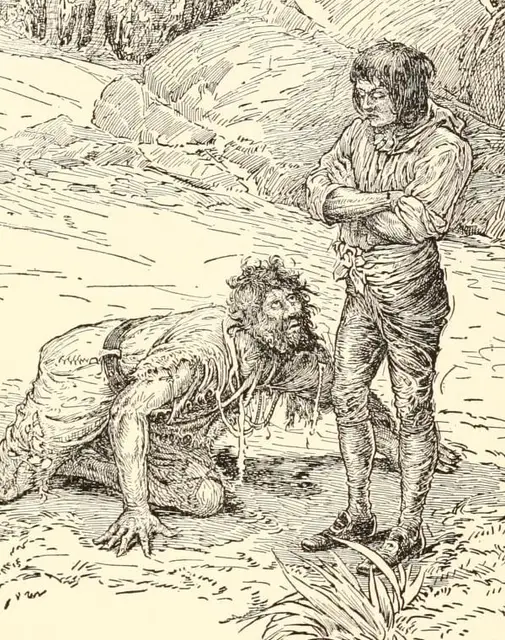
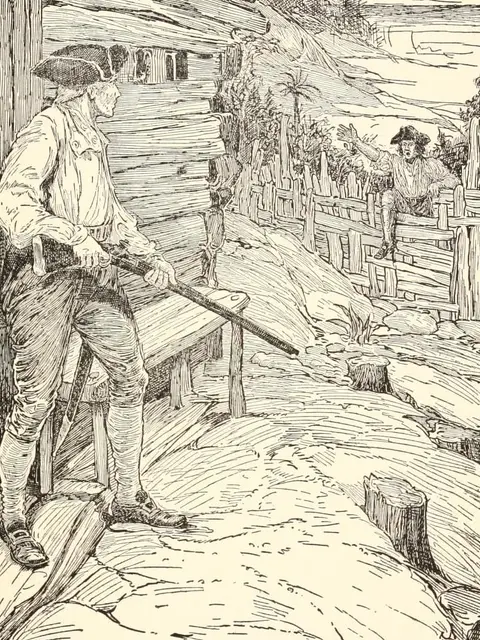
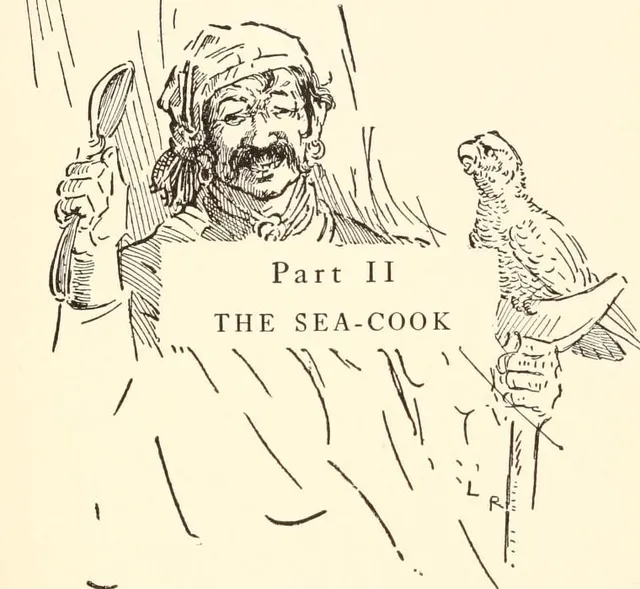
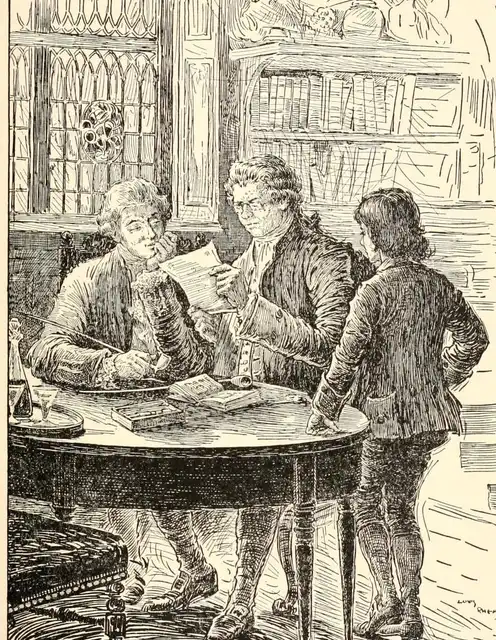
Treasure Island in Louis Rhead's 1915 illustrations: the map scene, Long John Silver and his parrot, Ben Gunn with Jim Hawkins, and Jim at the stockade. Each page documents the exact New York Public Library scan and the edition's U.S. rights basis.
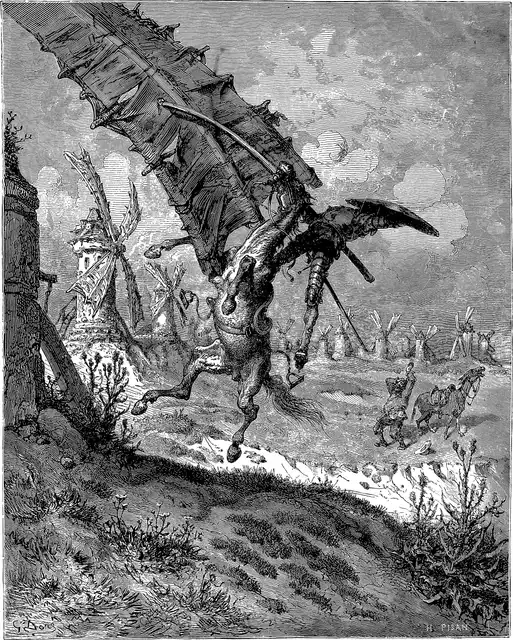
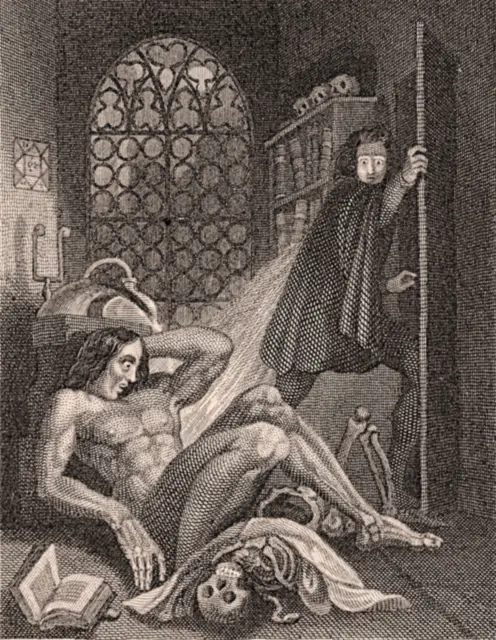
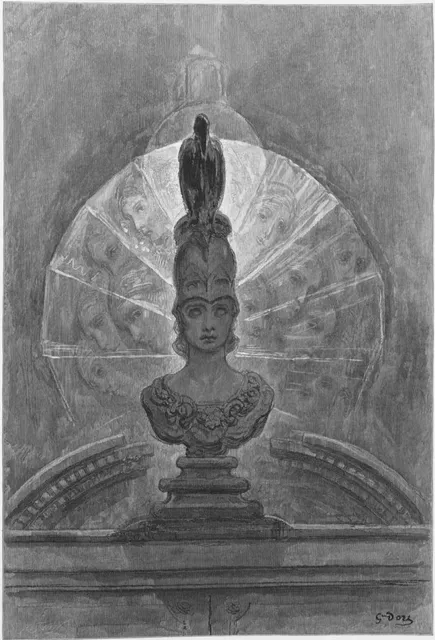
Classic novels and a poem in their nineteenth-century illustrations: Frankenstein's creature from Theodor von Holst's 1831 frontispiece, Don Quixote tilting at the windmills in Gustave Doré's 1863 engraving, and Poe's raven on the bust of Pallas from Doré's 1884 edition. These are public-domain book illustrations, not film stills; no film or other adaptation affiliation is implied.
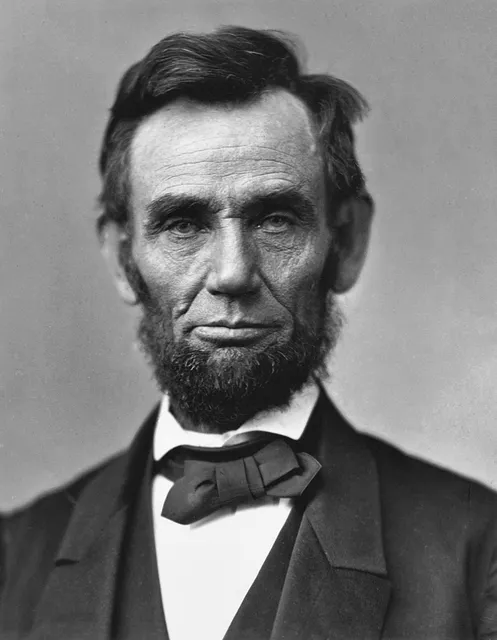
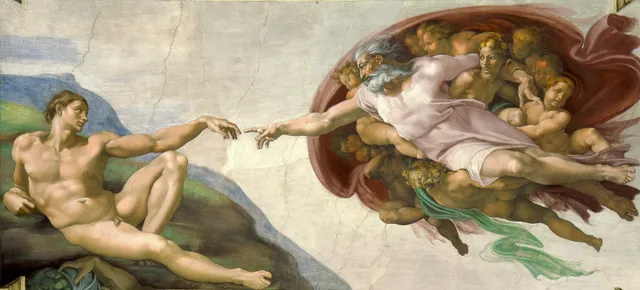
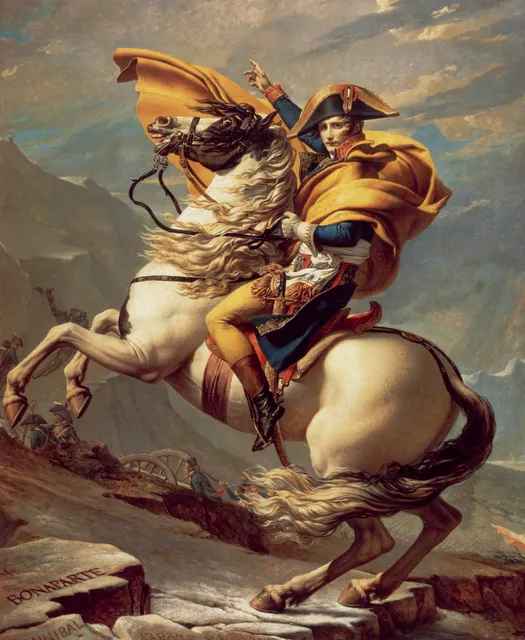
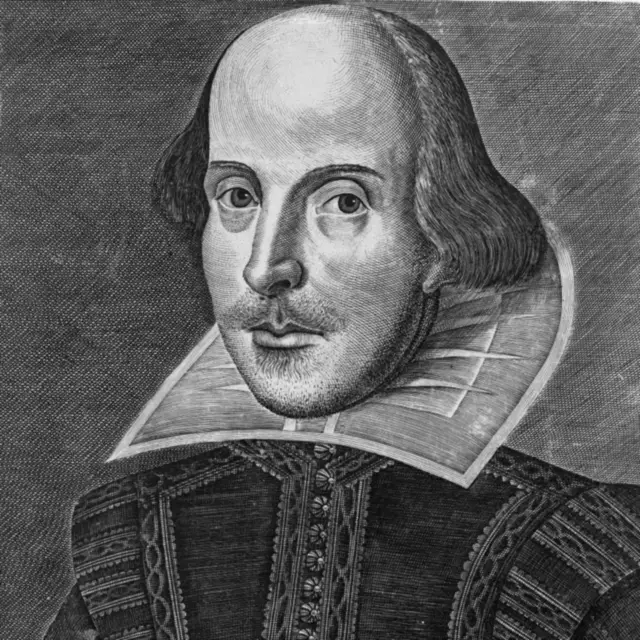
Famous images of famous people: Michelangelo's Creation of Adam, Abraham Lincoln in Alexander Gardner's 1863 photograph, Napoleon Crossing the Alps by Jacques-Louis David, and William Shakespeare in the First Folio engraving.
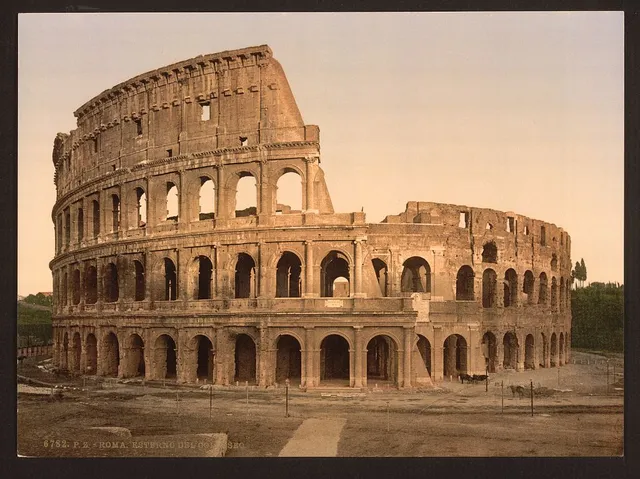
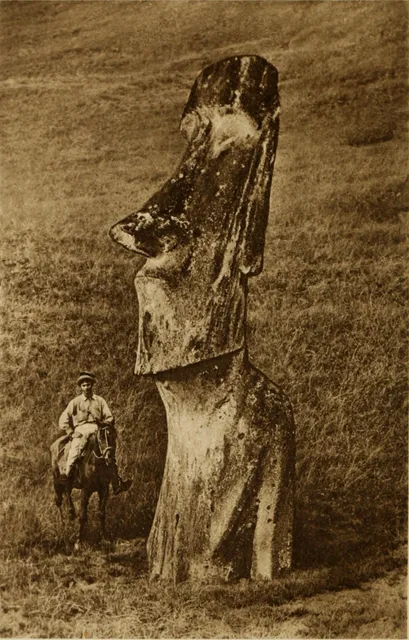
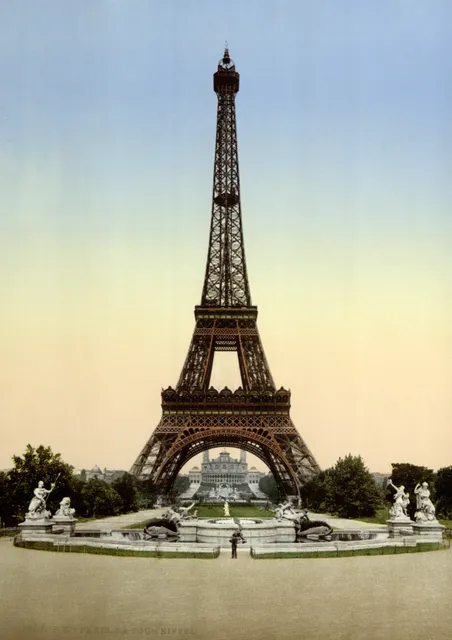
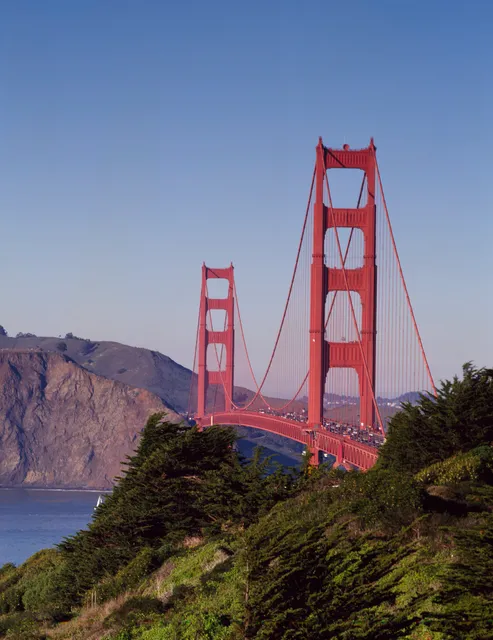
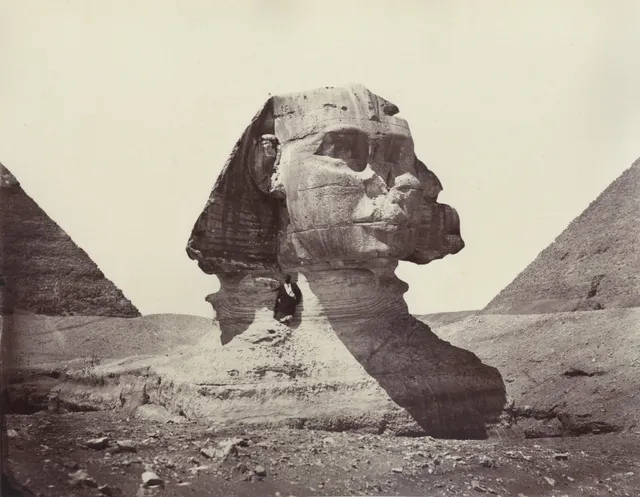
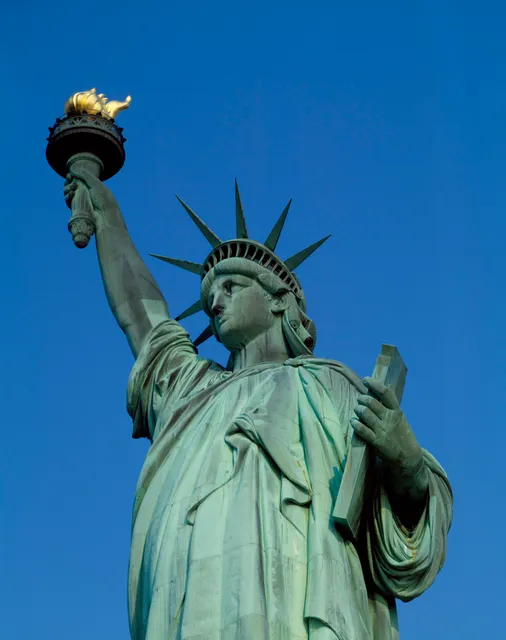
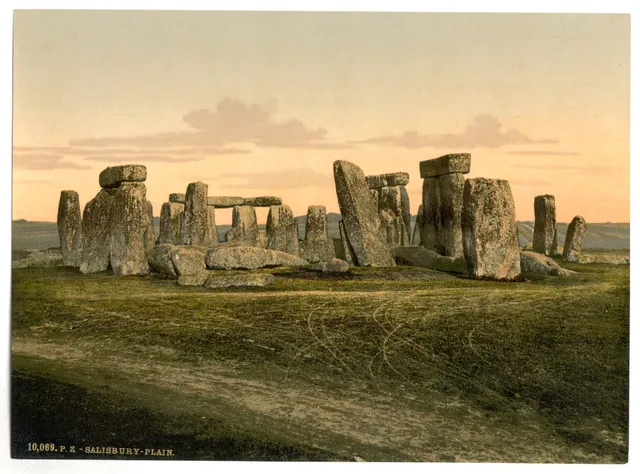
Famous landmarks: the Statue of Liberty and the Golden Gate Bridge in Carol M. Highsmith's photographs, plus the Eiffel Tower, the Colosseum and Stonehenge in 1890s and 1900 photochrom prints from the Library of Congress. Older photographs show the Great Sphinx of Giza in 1888 and an Easter Island moai from the 1914-1915 Mana Expedition.
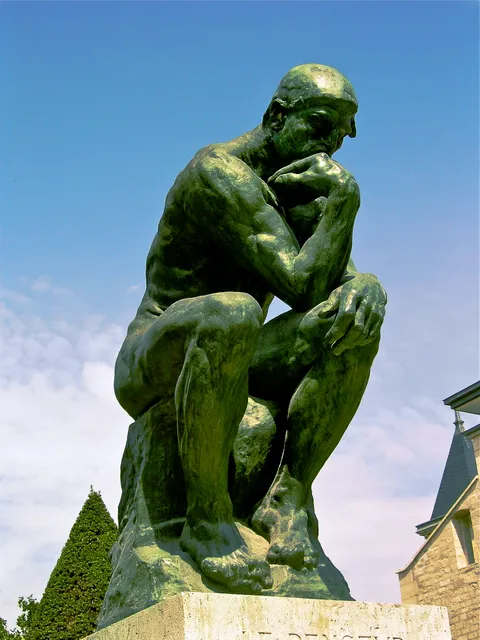
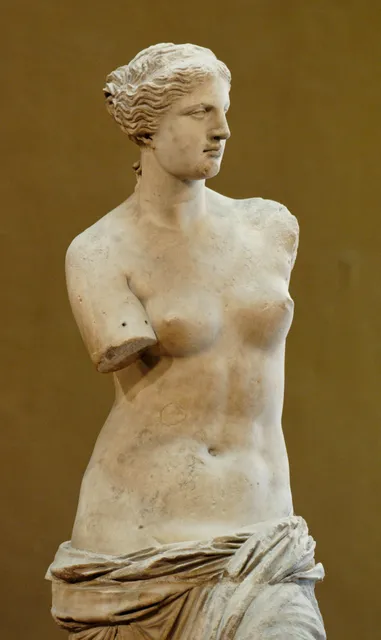
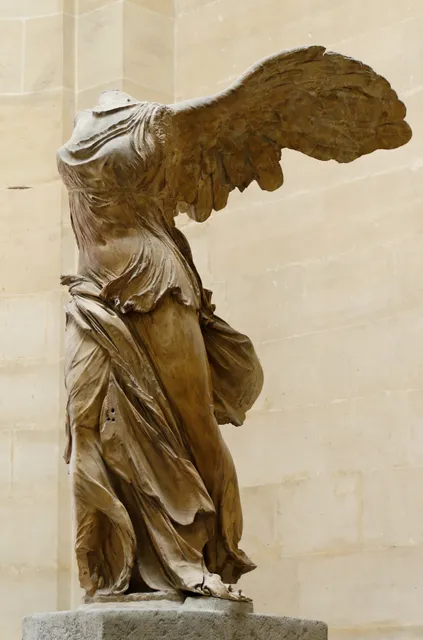
Compare sculpture photographs in plain text: the marble profile of Venus de Milo, the seated pose of Rodin's The Thinker, and the wing and drapery of Winged Victory of Samothrace. Each includes the exact photograph, separate sculpture and photo reuse evidence, and a working editor recipe.
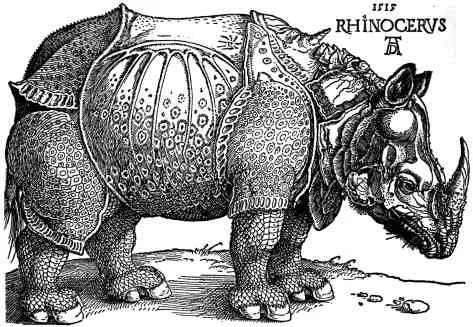
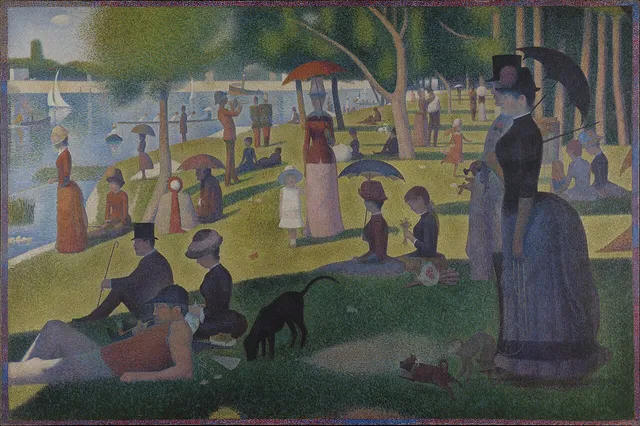
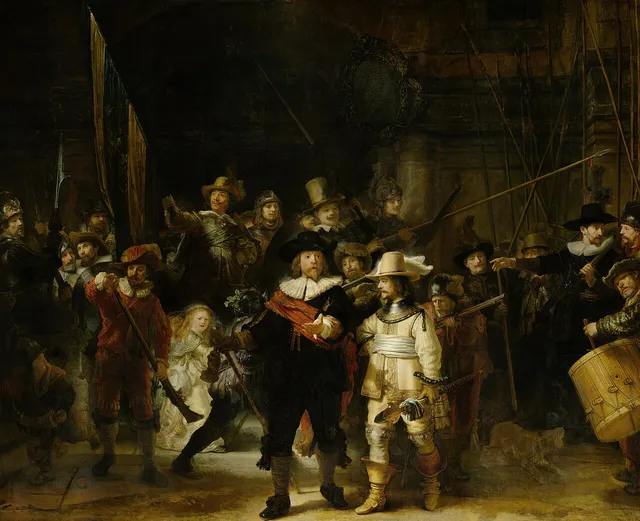
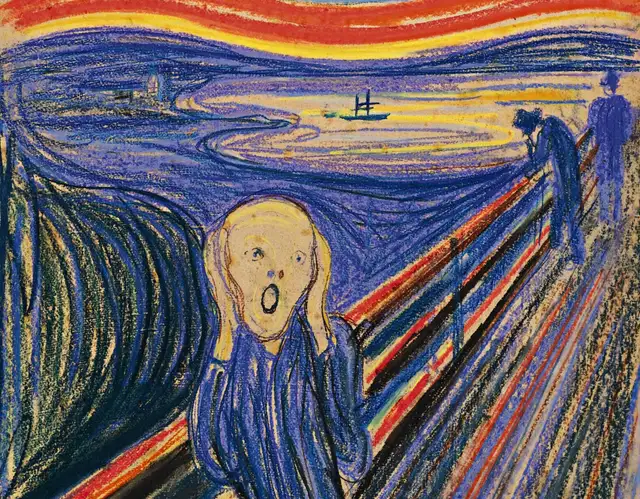
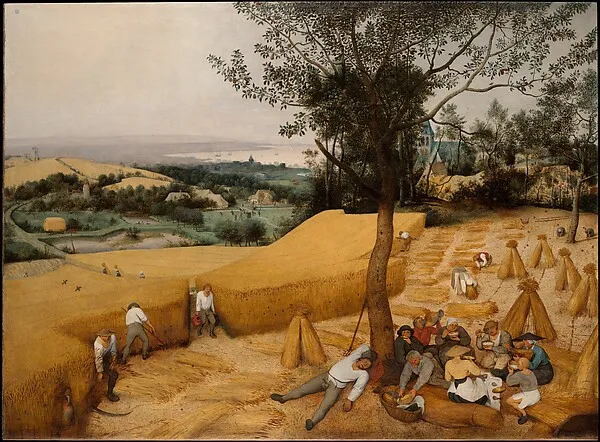
Compare three different kinds of detail: the printed outline in Durer's Rhinoceros, the spotlighted figures in Rembrandt's Night Watch, and the park silhouettes in Seurat's La Grande Jatte. Each example includes its exact source and reuse evidence, a 100-column preview and an editor handoff.
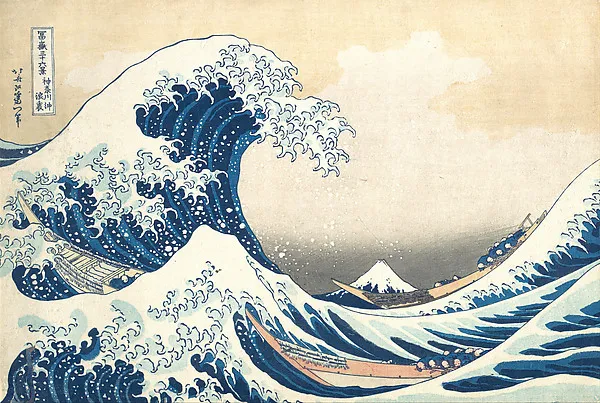
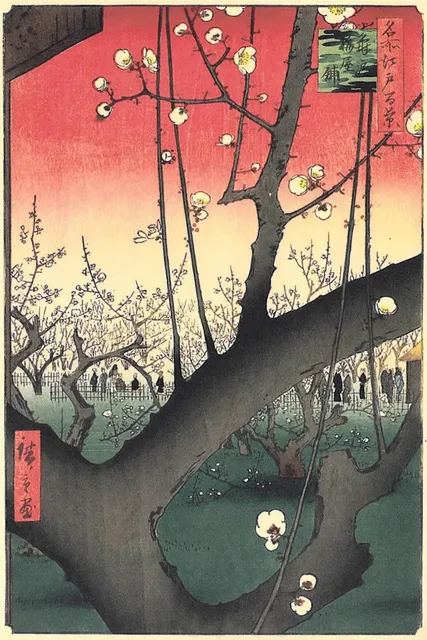
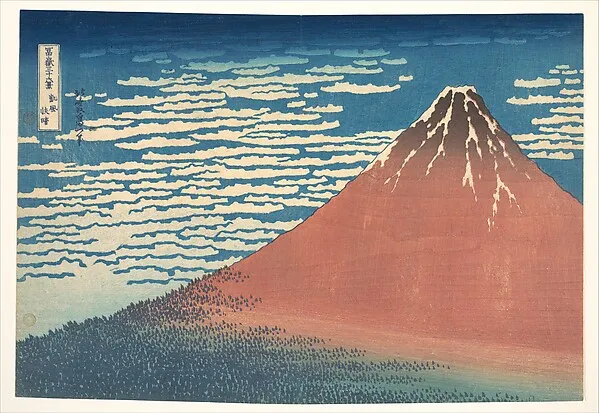
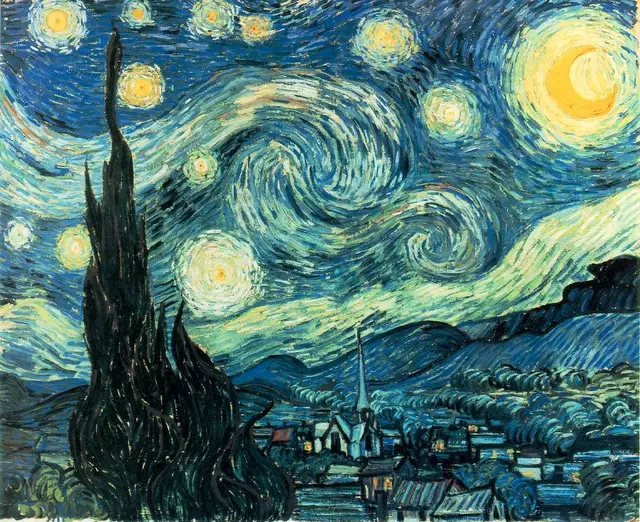
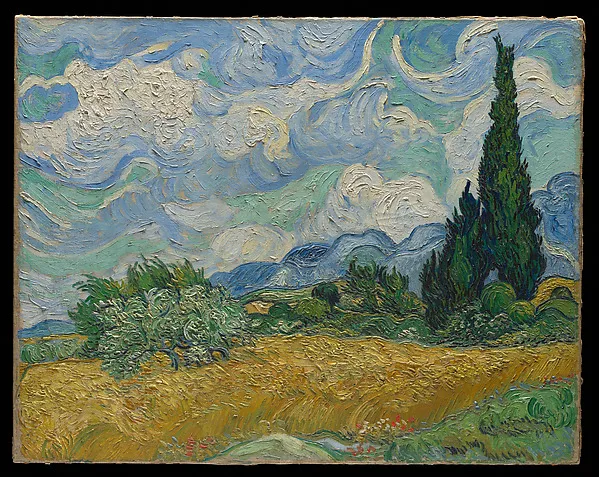
Try three more landscapes: Hokusai's Red Fuji, Hiroshige's Plum Garden at Kameido, and Van Gogh's Wheat Field with Cypresses. Each preview starts from its documented source image; compare what remains when color and fine texture become plain text.
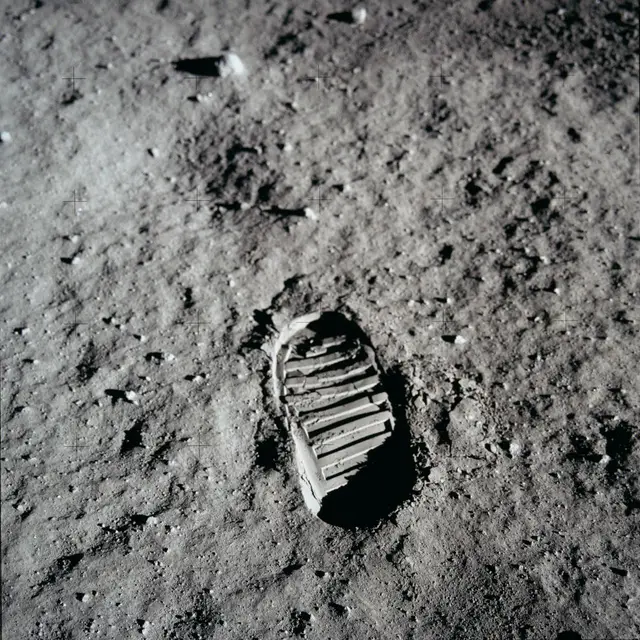
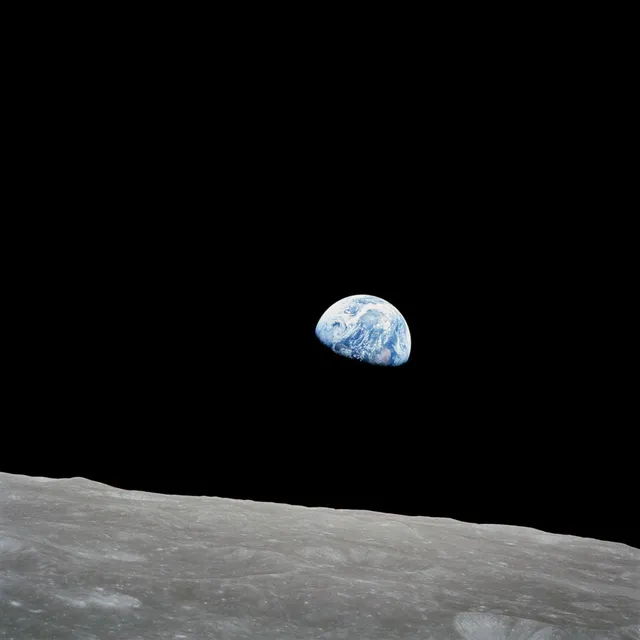
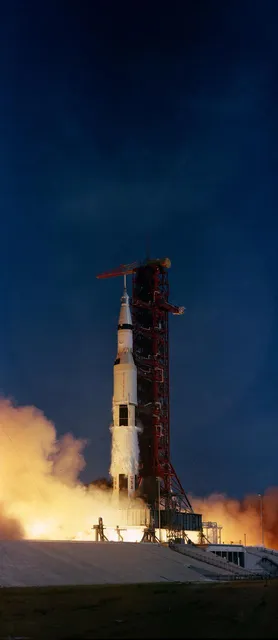
Compare NASA mission photographs in Apollo 8 Earthrise, the Apollo 11 bootprint and the Saturn V launch. See what survives in plain text: a small bright Earth, tread bars and a rocket silhouette. Source photographs are credited to NASA; these ASCII conversions are by this site, with no NASA endorsement.
Transform your own image into ASCII art!
Start ConvertingWant to create your own ASCII art?
Follow the image guide to choose settings, generate and export your result.